
Summer Pet Transportation Safety Tips for Hot Weather Travel
Summer travel can be enjoyable for pet owners, but hot weather creates additional challenges when transporting dogs, cats, and other companion animals. High temperatures, humidity, direct sunlight, and poorly ventilated spaces can make transportation stressful and potentially dangerous for pets.
Whether your pet is traveling across town, taking a long road trip, flying to another destination, or being transported by a professional service, preparation is essential.
Understanding the risks associated with hot weather and taking appropriate precautions can help make summer journeys safer and more comfortable.
Why Does Summer Pet Transport Require Extra Planning?
Pets do not regulate body temperature in exactly the same way humans do. Dogs, for example, rely heavily on panting to release heat, while cats may also be vulnerable to overheating in hot or poorly ventilated environments.
During transportation, pets can be exposed to warm vehicles, direct sunlight, crowded terminals, waiting areas, or inadequate airflow. Stress can make these conditions more difficult for an animal to tolerate. At Skoot, we understand the importance of considering these factors when planning safe and comfortable pet transportation.
This makes summer pet transport different from travel during cooler months. The journey should be planned around temperature, ventilation, hydration, travel duration, and the individual needs of the animal.
What Are the Main Risks of Hot Weather Travel?
High temperatures can cause pets to become overheated. In severe circumstances, excessive heat can lead to heatstroke, which requires urgent veterinary attention.
Risk can increase when an animal is left in a parked vehicle, exposed to direct sunlight, transported in a poorly ventilated carrier, or required to travel during the hottest part of the day.
Long journeys can also create additional challenges because pets may have limited opportunities to drink, rest, or cool down. For these reasons, pet owners should consider the entire journey rather than focusing only on the destination.
Plan Travel During Cooler Hours
One of the simplest ways to reduce heat exposure is to plan transportation during cooler parts of the day. Early morning or later evening may provide more comfortable conditions than travelling during the hottest afternoon hours.
The ideal timing depends on the destination, season, weather conditions, and transportation method. Owners should check the expected conditions before departure and adjust plans when necessary. For long-distance journeys, consider how temperatures may change along the route rather than relying only on conditions at the starting point.
Never Leave a Pet Alone in a Parked Vehicle
A parked vehicle can become dangerously hot very quickly, even when the outside temperature does not seem extreme. Leaving a pet alone inside a vehicle can therefore create a serious heat-related risk.
Opening a window slightly does not necessarily make a parked vehicle safe. Air circulation and temperature can remain inadequate, particularly in direct sunlight. If your pet is traveling by car, plan stops carefully so the animal is not left unattended in the vehicle.
Keep Your Pet Hydrated
Hydration is an important part of pet travel safety, especially during warm weather. Pets should have access to fresh water at appropriate points during the journey. For longer trips, owners should carry enough water and a suitable travel bowl or container.
Do not wait until your pet appears extremely thirsty before offering water. Regular opportunities to drink can help support normal hydration during travel. However, pets should also be managed according to their normal feeding and bathroom routines, particularly during long journeys.
Keep Pets Away From Direct Sunlight
Direct sunlight can significantly increase heat exposure during transportation. When traveling by car, position the carrier where it is protected from direct sunlight while still receiving adequate ventilation.
Sunlight can move during a journey, so check the carrier's position regularly rather than assuming that one shaded location will remain shaded throughout the trip. For other forms of transportation, ask about how the animal will be protected from direct heat during waiting and transit periods.
Avoid Unnecessary Stops in Hot Weather
Breaks are important during long journeys, but stopping does not always mean allowing your pet to spend extended time outside. During very hot weather, pavement and outdoor surfaces can become uncomfortable or dangerously hot for paws.
Choose rest areas carefully and provide access to shade and water. Dogs should not be expected to exercise heavily during the hottest part of the day. A short bathroom break may be more appropriate than a long walk when temperatures are high.
Consider Your Pet's Individual Needs
Age, health, body condition, breed characteristics, coat type, and previous heat sensitivity can all affect how an animal tolerates warm conditions. Young pets, older animals, and pets with certain health concerns may require additional consideration.
Some dogs, particularly those with short or flat facial structures, can have greater difficulty cooling themselves efficiently. If you are uncertain whether your pet is fit to travel in hot weather, speak with your veterinarian before making arrangements.
Prepare the Carrier Before Travel
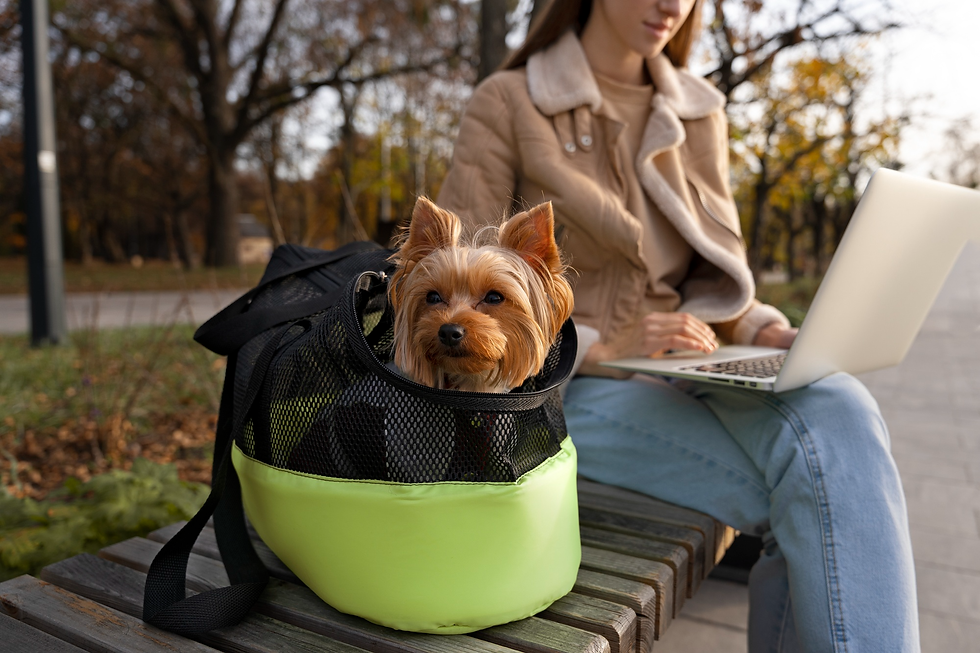
Your pet's carrier should be ready before the day of transportation. Check that the carrier is secure, appropriately sized, clean, and well ventilated. Introduce your pet to the carrier before the journey if they are not already comfortable using it.
A familiar blanket or comfort item may help reduce anxiety, provided it does not interfere with ventilation. During summer, avoid placing thick bedding inside the carrier if it could make the space unnecessarily warm. The goal is to provide security and comfort without restricting airflow.
Pack a Pet Travel Kit
Preparing essential supplies in advance can make summer travel easier. Bring fresh water, a suitable bowl, your pet's food, required medications, waste bags, identification information, veterinary records, and any necessary travel documentation.
For longer journeys, carry extra supplies in case the trip takes longer than expected. It can also be useful to have a basic cleaning kit available for accidents or spills. Keep important documents easily accessible rather than packed away where they cannot be reached quickly.
Keep Feeding Schedules Consistent
Changes to feeding routines can sometimes increase stress during transportation. Where practical, maintain your pet's normal feeding schedule while accounting for the length and timing of the journey.
Avoid giving an unusually large meal immediately before travel, particularly if your pet is prone to motion sickness. If your pet has specific dietary requirements or takes medication with food, speak with your veterinarian about how to manage the routine during travel.
Summer Road Trips With Pets
Road travel provides owners with some control over the environment, but it still requires careful planning. The vehicle should have adequate ventilation and climate control. Your pet should be secured appropriately and should not be allowed to move freely around the passenger area.
Plan regular opportunities for water and bathroom breaks, but avoid prolonged outdoor exposure during periods of extreme heat. For very long journeys, consider breaking the trip into manageable sections rather than attempting to travel for many hours without adequate rest.
Air Travel During Hot Weather
Air transportation requires additional planning because pets may spend time in vehicles, terminals, holding areas, or other locations before and after a flight. Airline rules and procedures vary, and temperature restrictions may apply to certain types of pet travel.
Before booking, check the airline's current pet transportation policies and understand how your animal will be handled during each stage of the journey. If using a professional pet transportation service, ask how they coordinate airport transfers and minimise unnecessary exposure to outdoor heat.
Professional Pet Transportation in Summer
Professional pet transportation services can be useful for owners who need assistance with longer or more complicated journeys. When choosing a provider, ask how they manage temperature, ventilation, hydration, rest breaks, and emergency situations during warm-weather travel.
You should also understand how the company handles delays. A transportation plan that works under normal conditions may need additional contingencies during periods of extreme heat. A reputable provider should be able to explain its procedures and communicate clearly about the journey.
What Should You Ask a Pet Transportation Provider?
Before booking summer transportation, ask how your pet will be transported and how temperature will be controlled. Find out whether vehicles are air-conditioned, how ventilation is maintained, how frequently pets receive breaks during long road journeys, and what happens if there is an unexpected delay.
It is also important to ask how the provider handles veterinary emergencies and whether they have procedures for recognising signs of heat-related distress. Understanding these details can help you choose a transportation option that prioritises your pet's welfare.
Summer Pet Transport Checklist
Before departure, confirm that your pet is fit to travel and that all required documentation is ready. Check the carrier, ventilation, water supply, food, medications, identification, and veterinary records.
Review the weather forecast and travel schedule. Confirm that your vehicle or transportation provider has appropriate temperature-control arrangements. For long-distance transportation, make sure there is a plan for water, bathroom breaks, rest periods, and unexpected delays. Taking care of these details before departure can make the journey considerably less stressful.
Final Thoughts
Summer transportation requires careful attention to temperature, hydration, ventilation, timing, and your pet's individual needs. Whether you are planning a short road journey or arranging long-distance transportation, summer pet transport should always include a plan for managing hot weather.
Avoid leaving pets in parked vehicles, provide appropriate ventilation and hydration, limit exposure to direct sunlight and hot pavement, and monitor your pet for signs of overheating.
For longer journeys or complex travel arrangements, professional transportation providers can help manage logistics, but owners should still ask detailed questions about their pet's safety procedures. With appropriate planning and attention to weather conditions, pet owners can make warm-weather journeys more comfortable and reduce avoidable risks. Contact us today to learn more about our pet transportation services and how we can help you plan a safe and comfortable journey for your pet.
Frequently Asked Questions
What is the safest time of day to travel with a pet in summer?
Traveling during cooler periods, such as early morning or later evening, can reduce exposure to high temperatures. The best timing depends on local weather conditions and the type and length of the journey.
How can I keep my dog cool during hot weather travel?
Use a well-ventilated carrier or secure travel area, maintain a comfortable vehicle temperature, provide regular access to water, avoid direct sunlight, and limit outdoor exposure during the hottest periods.
Can I leave my pet in the car for a few minutes?
No. A parked vehicle can become dangerously hot even when the outside temperature seems moderate. Pets should not be left unattended inside a parked vehicle.
What are the signs of overheating in dogs?
Excessive panting, heavy drooling, weakness, confusion, vomiting, difficulty standing, collapse, and changes in consciousness can indicate serious heat-related distress.
Should I give my pet medication before summer travel?
Do not give medication or sedatives for travel unless they have been recommended by your veterinarian. Some medications can affect an animal's ability to regulate body temperature.

Comments