
Winter Pet Transport: Keeping Pets Comfortable During Cold Weather
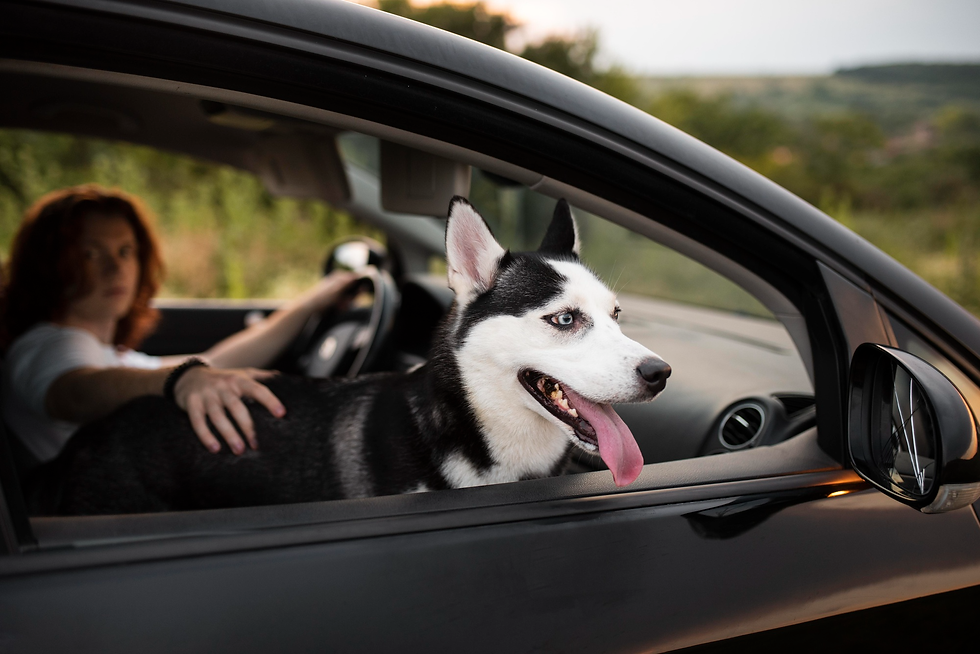
Traveling with a pet during winter requires more preparation than simply adding an extra blanket to their carrier. Cold temperatures, snow, ice, shorter daylight hours, and changing road conditions can all affect the safety and comfort of an animal during transportation. Whether you are taking your dog on a short road trip, moving to another city, or arranging professional transportation, winter travel requires careful planning.
Proper winter pet transport focuses on maintaining a comfortable temperature, reducing exposure to harsh weather, preparing appropriate travel equipment, and monitoring your pet throughout the journey. Understanding these considerations can help pet owners make cold-weather travel safer and less stressful.
Why Winter Pet Transport Requires Extra Planning
Pets can respond differently to cold weather depending on their breed, age, size, coat, health, and individual tolerance. A thick-coated dog may tolerate cold temperatures better than a short-haired dog, while puppies, senior pets, and smaller animals may be more sensitive to temperature changes.
Winter pet transportation can also involve conditions that are outside the owner's control. Snow, freezing rain, icy roads, strong winds, and sudden temperature drops can affect travel schedules and create additional challenges.
For these reasons, winter travel should be planned around both the pet's needs and the expected conditions along the route.
Understanding Cold Weather Pet Travel
Cold weather pet travel involves more than keeping an animal warm while they are inside a vehicle. Pets may be exposed to cold temperatures when entering or leaving the vehicle, during bathroom breaks, while waiting at transportation facilities, or when carriers are being transferred. Keeping these exposure periods short can make a significant difference.
Before traveling, check the expected weather conditions for the entire route rather than looking only at the departure location. A journey that begins in mild weather may pass through areas experiencing freezing temperatures or snow. Travel timing can also matter. If possible, avoid unnecessary travel during periods of extreme cold, heavy snowfall, or dangerous road conditions.
Keep the Travel Environment Comfortable
Maintaining a stable temperature inside the vehicle or transport area is one of the most important parts of winter pet transportation.
The vehicle should be warm enough to keep the pet comfortable without becoming excessively hot. Direct exposure to cold drafts should also be avoided. At the same time, adequate ventilation remains important because a properly ventilated environment helps maintain air quality.
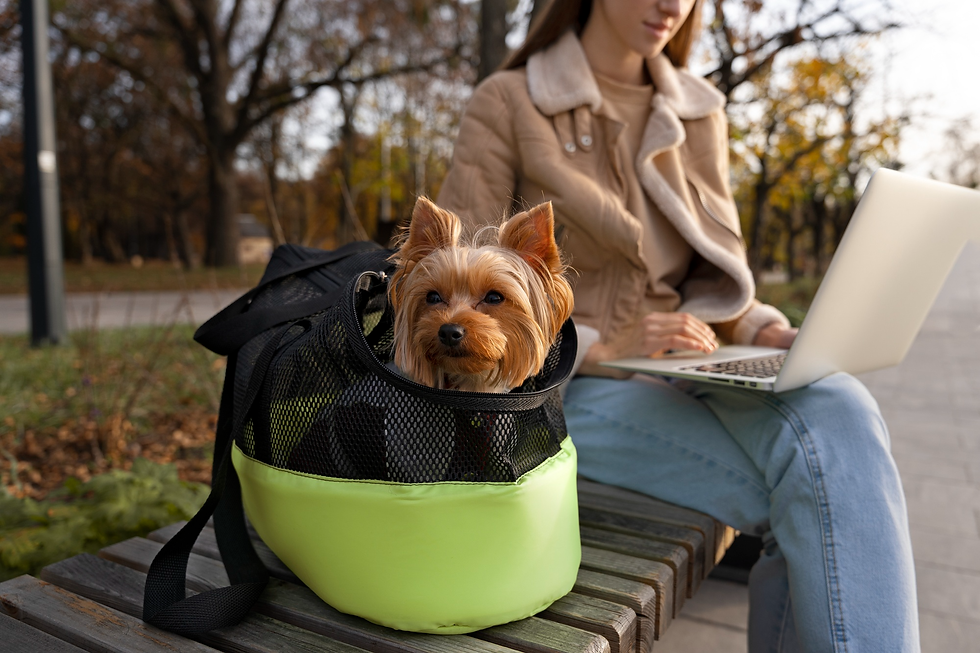
A pet carrier should not be placed directly against a cold surface where heat can quickly escape. Depending on the type of carrier, an appropriate blanket or insulating layer underneath can provide additional protection. However, the carrier should never be completely covered in a way that restricts airflow.
Protect Pets During Outdoor Transfers
One of the most overlooked aspects of winter pet transport is the time spent outside the vehicle. Even if the interior of the vehicle is warm, pets may experience significant cold exposure during loading, unloading, bathroom breaks, or transfers between transportation locations. Outdoor exposure should be kept as brief as practical. Dogs that normally use outdoor walks for bathroom breaks may need shorter trips during particularly cold conditions.
For dogs that tolerate them well, appropriate winter clothing may provide additional protection. However, clothing should fit properly and should never restrict movement or breathing. Pet owners should also inspect paws after outdoor exposure. Ice, snow, salt, and other materials used on roads and walkways can accumulate around paw pads and cause discomfort.
Prepare for Winter Road Conditions
Winter dog transportation can be affected by road conditions just as much as by temperature. Snow and ice can increase travel times and create delays. Road closures, traffic disruptions, and poor visibility can also affect the journey.
Build extra time into the travel schedule rather than planning around a strict arrival time. Rushing can create unnecessary risks for both people and pets.
If a professional pet transportation service is handling the journey, ask how the company monitors weather conditions and what procedures it follows when severe winter weather affects the route. A responsible transportation plan should include flexibility for unexpected delays.
Keep Your Pet Hydrated
Cold weather does not eliminate the need for hydration. Pets still need access to fresh water during longer journeys, particularly when they are traveling for several hours.
Water can be offered during appropriate breaks, depending on the length and nature of the journey. For longer transportation, owners should discuss feeding and hydration arrangements with the transportation provider in advance.
Avoid making major changes to a pet's normal feeding routine immediately before travel. Large meals immediately before transportation may cause discomfort for some animals. Maintaining a familiar routine whenever practical can make the journey easier.
Watch for Signs of Cold Stress
Pet owners should understand how their animals normally behave so they can recognize unusual changes during travel.
Signs that a pet may be struggling with cold conditions can include persistent shivering, weakness, unusual tiredness, reluctance to move, or seeking excessive warmth. Changes in behaviour should not be ignored.
If you believe your pet is becoming dangerously cold or showing concerning symptoms, move them to a warmer environment and seek appropriate veterinary assistance.
The risk can be higher for puppies, senior pets, small breeds, short-haired animals, and pets with certain underlying conditions. A veterinarian can provide guidance about individual cold-weather considerations before a planned journey.
Plan Bathroom Breaks Carefully
Bathroom breaks are important during longer road journeys, but winter weather requires additional planning. Choose safe areas away from heavy traffic and icy surfaces. Keep outdoor breaks practical rather than allowing pets to remain outside for extended periods in freezing conditions.
Dogs that are accustomed to long outdoor walks may need shorter winter breaks during transportation. After returning to the vehicle, check that the pet's paws and coat are dry where possible. Wet fur combined with cold temperatures can make maintaining body warmth more difficult. At Skoot, we recommend taking these precautions to help keep pets comfortable during winter transportation.
Preparing for Long-Distance Winter Dog Transportation
Long-distance winter dog transportation requires additional planning because the pet may spend many hours in transit.
Before departure, establish the expected route, approximate travel time, rest opportunities, weather conditions, and emergency arrangements.
Pets that are nervous travelers may benefit from gradual preparation before the trip. Familiar bedding, toys, and feeding routines can provide reassurance.
Do not introduce unfamiliar equipment immediately before a long journey if it can be avoided. Giving your pet time to become comfortable with their carrier or travel setup can make transportation less stressful.
Working With a Professional Pet Transportation Service
Professional transportation can be an option for owners who need to move a pet over a significant distance or cannot accompany the animal themselves.
When choosing a provider for winter pet transport, ask about temperature control, ventilation, weather monitoring, rest breaks, emergency procedures, and communication during the journey.
It is also important to understand how the provider handles delays caused by severe weather. A company should have a clear plan for maintaining the pet's safety if the original schedule changes.
Owners should also confirm what documentation is required for the destination and whether any veterinary requirements need to be completed before travel.
Winter Travel for Different Types of Pets
Dogs with thick coats may have greater natural insulation, while short-haired breeds may need additional protection. Small dogs can also lose body heat more quickly than larger animals.
Cats generally benefit from secure carriers, stable temperatures, and minimal unnecessary exposure to outdoor conditions. Other companion animals may have even more specific temperature requirements.
The safest approach is to consider the individual animal rather than assuming that all pets tolerate cold temperatures in the same way.
Make Identification and Emergency Information Accessible
Winter travel can involve unexpected delays or changes, making identification particularly important. Your pet should have reliable identification, and their contact information should be current. Keep relevant veterinary records and emergency contact details readily accessible during the journey.
If your pet is traveling with a professional provider, make sure the provider has accurate contact information and knows how to reach you if the travel plan changes. Good preparation can make it easier to respond quickly if an unexpected problem occurs.
When Should Winter Pet Travel Be Postponed?
Some winter conditions may make travel unsafe or impractical. Extreme cold, major snowstorms, freezing rain, dangerous road conditions, or severe weather warnings may justify postponing a non-essential journey.
Pet owners should consider the entire transportation route rather than focusing only on conditions at home. If conditions are deteriorating along the route, delaying the journey may be the safer choice.
For essential transportation, discuss contingency plans with your transportation provider and veterinarian when appropriate.
Making Winter Pet Transport Less Stressful
Temperature is only one part of a successful winter journey. Pets can also experience stress from unfamiliar surroundings, changes in routine, noise, and extended periods of transportation.
Keeping familiar items nearby can provide reassurance. Maintaining regular feeding and bathroom routines as much as practical can also help.
Speak calmly to your pet and avoid unnecessary handling during transportation. A secure, comfortable environment with predictable routines can make the experience easier.
Final Thoughts
Successful winter pet transport requires preparation, appropriate equipment, weather awareness, and attention to the individual needs of the animal. Cold temperatures can create additional challenges, but thoughtful planning can help reduce unnecessary exposure and discomfort.
From choosing a suitable carrier and maintaining a comfortable travel environment to planning safe outdoor breaks and preparing for winter road delays, every part of the journey matters.
For longer journeys, professional transportation can provide an additional option for owners who need help managing the practical demands of cold-weather travel. Whether you arrange transportation yourself or work with a professional provider, the goal should always be a safe, comfortable, and well-planned journey for your pet. Contact us today to learn more about our pet transportation services and how we can help you plan a safe, comfortable, and well-organised journey for your pet.
Frequently Asked Questions
How can I keep my pet warm during winter transportation?
Maintain a comfortable temperature inside the vehicle, use appropriate bedding, protect your pet from drafts, and limit unnecessary outdoor exposure. The exact level of protection depends on the animal's size, coat, age, and individual needs.
Is winter travel safe for dogs?
Winter travel can be safe when appropriate precautions are taken. Owners should consider temperature, weather conditions, travel duration, road conditions, and the dog's individual tolerance for cold.
What should I pack for winter pet transport?
Useful supplies can include food, water, bowls, familiar bedding, blankets, towels, waste bags, a leash, medications, identification information, and relevant veterinary records.
Can dogs travel in cold weather?
Dogs can travel in cold weather when the transportation environment is properly managed. They should not be exposed to freezing conditions for unnecessary periods, and particularly vulnerable dogs may require additional precautions.
Should I postpone pet transportation during a snowstorm?
If the journey is non-essential, postponing transportation during severe snow, ice, or dangerous road conditions may be appropriate. For necessary travel, discuss alternative arrangements and contingency plans with your transportation provider.

Comments